
The Role of Roof Angle in Construction and Repair
The angle or pitch of a roof is more than just an aesthetic feature. It plays a crucial role in determining how roofing materials are chosen and installed. When considering the pitch, you must account for factors like weather resistance and structural integrity. This aspect affects both new constructions and repairs. In this article, we explore the impact of roof pitch on installation processes, addressing common challenges and sharing expert tips to ensure success.
The Basics of Roof Pitch
Roof pitch refers to the steepness or slope of your roof. It is usually expressed as a ratio comparing vertical rise to horizontal span, like 4:12. This means that for every 12 horizontal units, the roof rises four units vertically. Understanding this concept helps select appropriate materials and methods for effective roof installation.
Choosing Materials Based on Roof Pitch
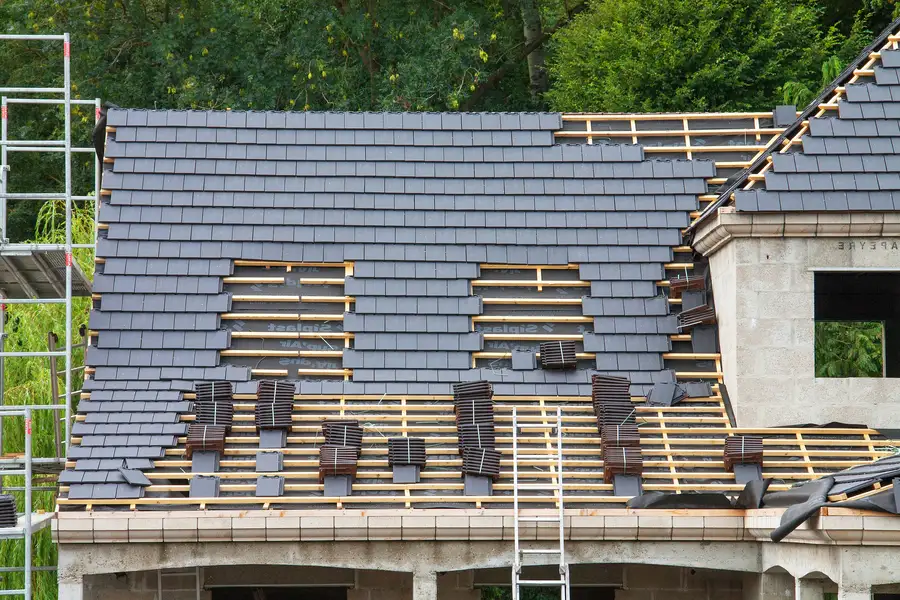
When planning a roof installation, the pitch influences the choice of materials significantly. Steeper roofs often require different types of shingles compared to flatter ones. Asphalt shingles work well with moderate pitches, while metal panels might suit steeper roofs better because they help shed water efficiently. The right choice here ensures durability and optimal performance under various weather conditions.
Safety Considerations for Steep Pitches
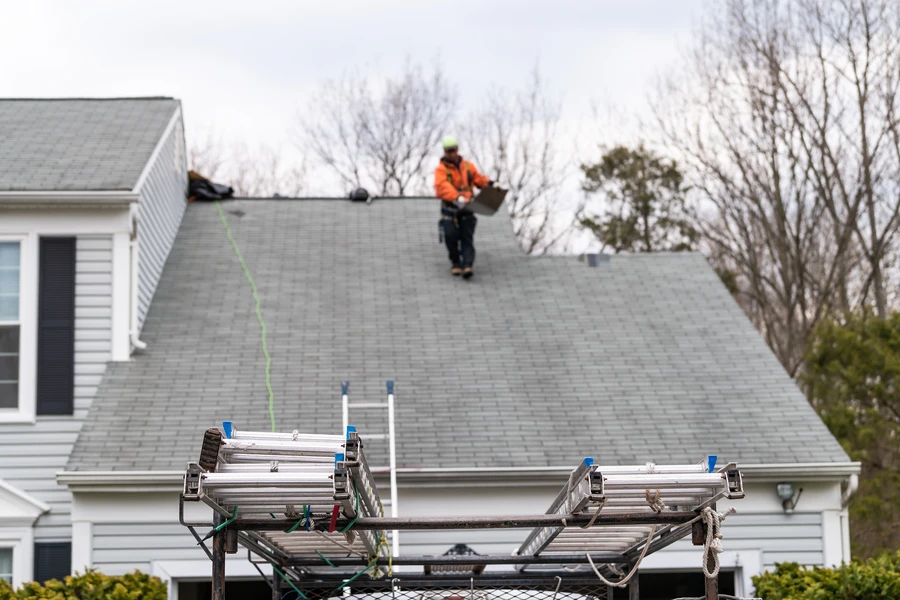
Working on steeply pitched roofs requires specific safety precautions. These include using harnesses and installing guardrails. Safety measures are essential not only to protect workers but also to prevent damage during roof installation. Additionally, choosing experienced professionals familiar with such tasks can reduce risks significantly.
Common Challenges in Roofing Projects
Various issues can arise when dealing with different roof pitches. For instance, steep roofs pose access difficulties, increasing project complexity and cost. Flat roofs, however, may experience drainage problems if not properly designed. Addressing these challenges early with proper planning prevents costly errors down the line.
Expert Tips for Successful Installation
Here are some best practices to consider:
- Select suitable materials based on your roof’s slope
- Employ skilled professionals familiar with diverse pitches
- Implement rigorous safety protocols during construction
- Plan for adequate drainage systems on flat surfaces
Industry Standards and Regulations
Adhering to industry standards is vital in any roofing project. Building codes often specify requirements concerning pitch, particularly around drainage and load-bearing capabilities. Compliance ensures not only legal adherence but also enhances the long-term reliability of your roofing system.
Cost Implications of Different Pitches
The slope of your roof impacts the overall cost of installation significantly. Steeper roofs tend to be more expensive due to increased labor intensity and specialized equipment needs. However, they might offer longer service life by preventing water pooling, potentially lowering maintenance costs over time.
Your Path to Reliable Roofing Solutions
Understanding how roof pitch affects installation choices empowers you to make informed decisions about your next project. By incorporating expert insights and prioritizing safety and quality, Roman Roofing Solutions offers reliable services tailored to your needs. Contact us at (602) 628-8905 today for consultation and support. We proudly serve clients throughout Tempe, AZ, ensuring top-quality outcomes every time.